AI culling for automotive photography: what actually matters in a car frame
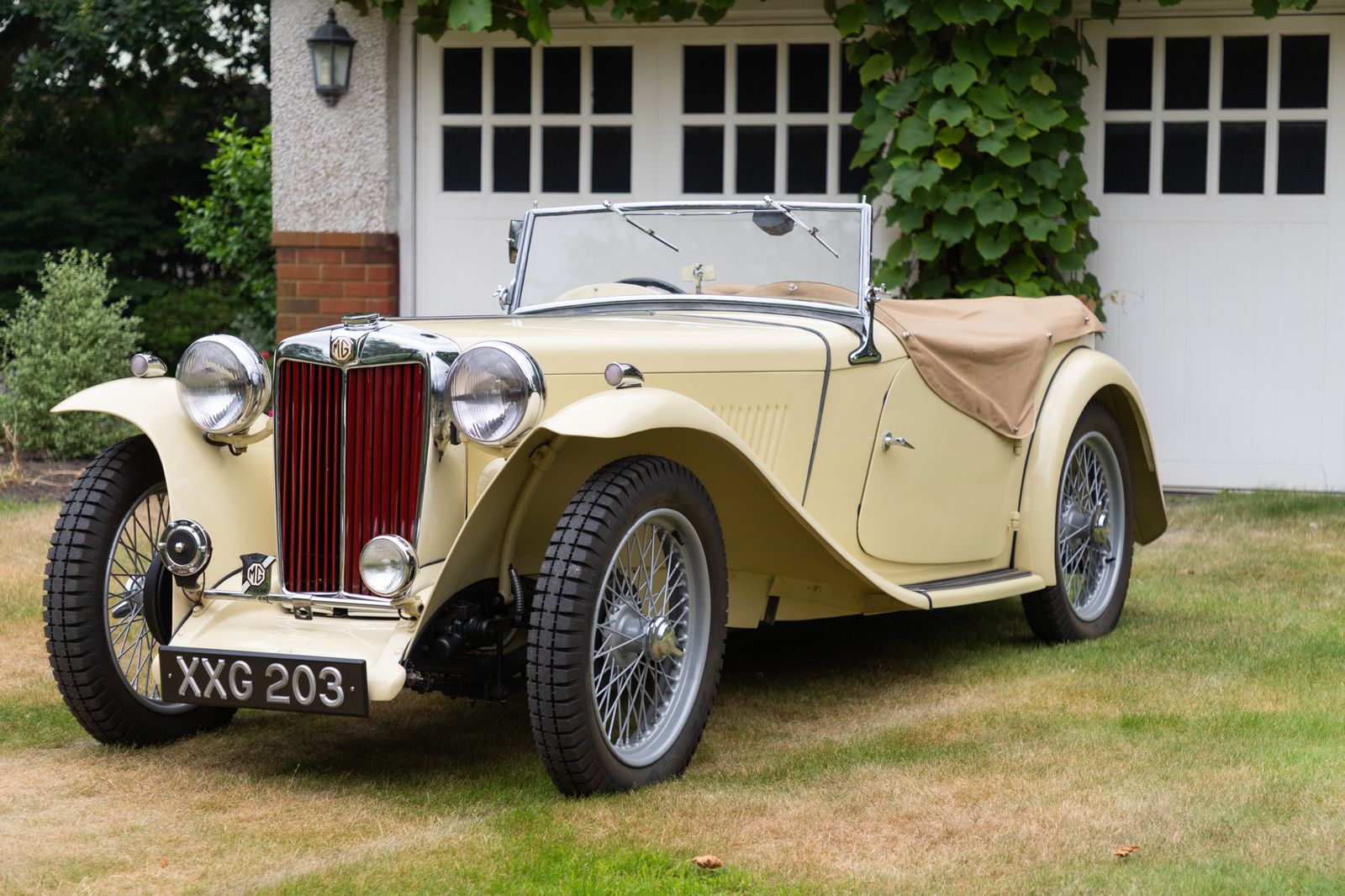
Most AI culling tools were built for weddings. They are very good at finding the frame where nobody blinked. Point one at a car shoot and it has almost nothing to work with — there are no faces, no smiles, no closed eyes. The thing it was trained to judge simply isn’t in the picture.
Car photography has its own set of things that make a frame the keeper, and none of them are on a wedding checklist. If you shoot cars for a living — dealership listings, classics, motorsport, detailing — this is what a cull actually has to decide, and how to get through it fast.
Why a car shoot is hard to cull
A single car, shot properly, is a lot of near-duplicates. You work around it: front three-quarter, side, rear three-quarter, straight rear, wheels, badge, interior, dash, engine bay. At each position you take several frames — shifting your feet, waiting for a cloud, bracketing a reflection. Come home and you have three or four hundred images of one car, arranged in clumps of eight that look identical at thumbnail size.
The work isn’t deciding which shots to take. It’s the hour afterwards spent zooming into forty frames of the same angle to find which one has the cleanest reflection down the flank.
The six things that decide a car frame
1. Reflections, not exposure
On a glossy panel the exposure is usually fine across the whole burst. What changes frame to frame is what the paint is reflecting — a bin, a parked van, your own silhouette, a hard-edged cloud cutting across the door. The keeper is the frame where the bodywork reflects something clean. No sharpness algorithm sees this; it’s a composition judgement about the smoothness of the highlight roll-off.
2. Sharpness where it counts
Overall image sharpness is a bad proxy. A frame can be technically sharp on the gravel in the foreground and soft on the badge. On a car you care about a specific region: the near headlight, the badge, the front wheel arch. Grille sharp and rear bumper soft is usually fine. The reverse is not.
3. Wheel and stance geometry
Steering a few degrees off, or a wheel showing its inner rim, is the difference between a frame that looks deliberate and one that looks like a snapshot. In a walkaround set, consistency matters: if the front wheels are straight in the side shot and cocked in the three-quarter, the set looks careless even though both frames are individually fine.
4. Background intrusions
Bins, cones, a stray leg, a lamppost growing out of the roofline. In a burst of eight, often two are ruined by something that walked into the edge of the frame, and it takes real attention at 100% to notice.
5. Plate legibility — in both directions
Sometimes you need the plate readable, because the dealer wants it or the owner is proud of it. Far more often you need it gone: a private seller’s listing, a customer car being posted publicly, a classic whose registration is worth money. That’s a per-photo decision, and doing it by hand in Photoshop for twenty frames per car is exactly the kind of tedium that eats an evening.
6. Set consistency
This is the one that gets underrated. A listing or a feature is judged as a group. Twelve frames that share a light, a height and a distance read as professional. Twelve individually excellent frames shot from twelve different heights read as a mess. Culling a car shoot means picking a coherent set, not picking twelve winners.
The shot vocabulary, so we agree on terms
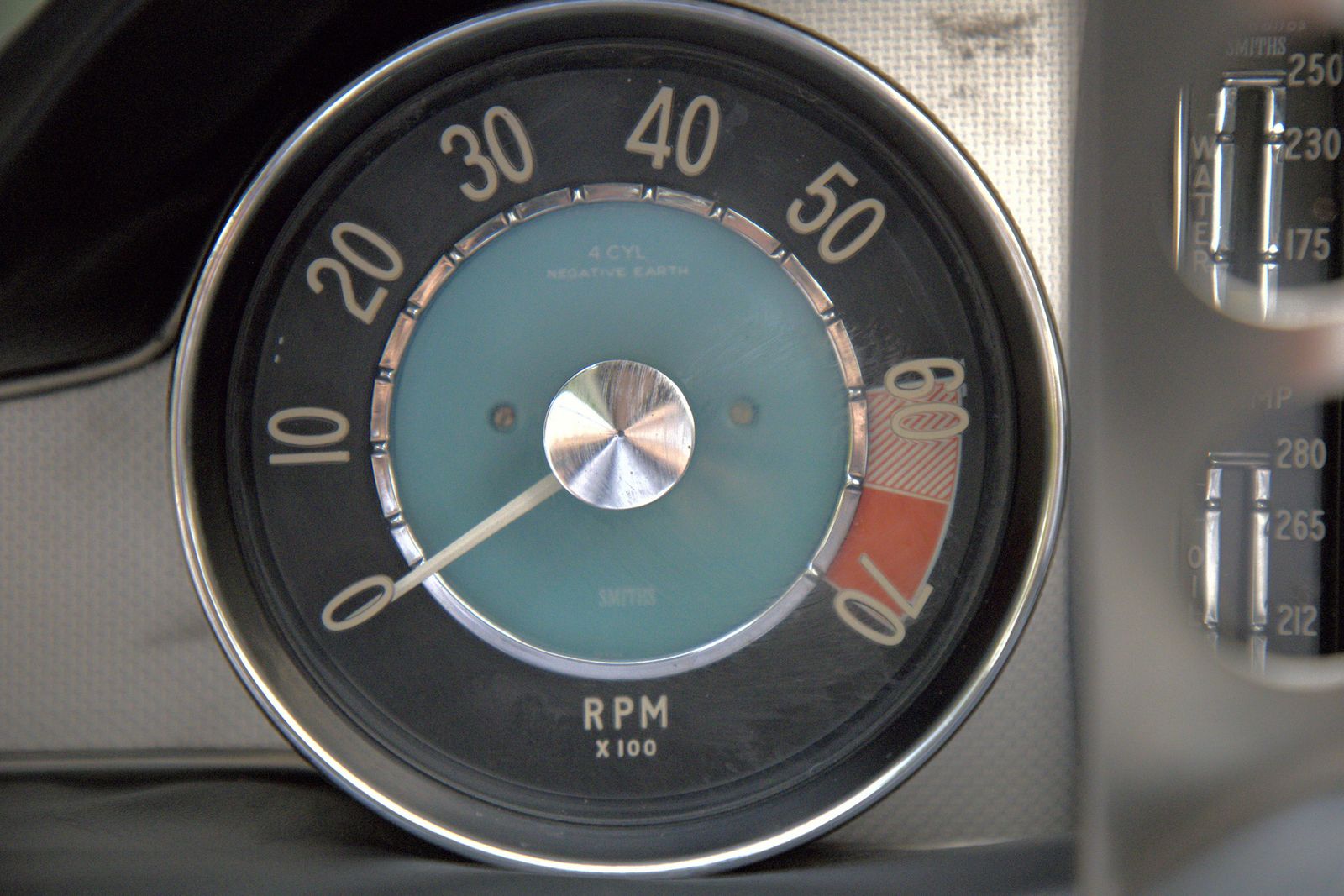
Half the confusion in car photography is that everyone uses slightly different names for the same angles. For culling purposes these are the ones worth distinguishing, because a good set contains most of them exactly once:
| Angle | What it is | What ruins it |
|---|---|---|
| Front three-quarter | Roughly 45° off the nose, showing front and one flank | Front wheel turned away; reflection of you in the door |
| Low front 3/4 | The same angle from around headlight height or below | Too low and the roofline disappears; sky blowing out behind |
| Side profile | Square to the flank, showing proportion and stance | Not actually square — a few degrees off reads as wrong |
| Rear three-quarter | 45° off the back, the mirror of the lead image | Number plate dominating; exhaust cropped awkwardly |
| Detail / badge | Emblem, wheel centre, interior switch, gauge | Focus a centimetre behind the thing; reflection of your lens |
| Interior wide | Dash and seats from the door aperture | Blown windows; seatbelt hanging across the frame |
Culling gets dramatically faster once your set has a known skeleton, because each decision becomes “which of these five attempts at the low front 3/4 is best?” rather than “what have I got and what’s missing?”
How many frames should survive?
For a feature or a portfolio set, eight to twelve finished images per car is plenty — more and you’re showing the same car twice. For a listing, twelve to twenty. For a detailer’s social feed, four or five that show the finish.
Which means a three-hundred-frame shoot has a keep rate somewhere around three to five per cent. That is the real reason culling car work is painful: you are looking for a dozen frames in a haystack of near-identical siblings, and almost everything you look at is going in the bin.
How to cull a car shoot fast
- Group before you judge. Get the near-identical frames into clumps first, so you're comparing eight versions of the same angle against each other rather than scrolling a flat timeline. Comparison inside a group is quick; judging in isolation is slow.
- Pick one hero per angle, then stop. Resist keeping "the best two, just in case." The second one never gets used and it doubles your editing.
- Check the set, not the frames. Lay your chosen heroes side by side and ask whether they look like one shoot. Swap out the odd one — usually the one shot from a different height.
- Handle plates once, at the end. Decide per photo whether the registration is staying or going, and do it in one pass on the final set rather than as you go.
- Grade the set together. Consistency across the group matters more than perfection on any single frame.
Where Vantage fits
I built Vantage because this is my own workflow — I shoot classics and motorsport, and I was losing evenings to it. It is trained on automotive work first, rather than having car photos as an afterthought behind weddings.
In practice that means it collapses the walkaround into groups and surfaces one hero per group, judges sharpness on the region that matters rather than the whole frame, detects number plates and offers to blur them per photo — showing you a thumbnail of each plate it found so you can un-blur the ones you want to keep — and exports a consistent, graded set in a fixed order.
Vantage is in beta. Automotive is the genre it’s trained hardest on, and it’s the genre I shoot, so it’s where it performs best — but it still makes a first pass, not a final decision. You review every group, and the last call is always yours. If it gets one wrong I’d genuinely like to know.
Try it on your next shoot
Vantage runs on your own Mac or PC — your originals never leave your machine unless you choose to back them up. Free to start, and it’s in beta, so you’ll be shaping it.
Download Vantage See pricingCommon questions
Can AI culling really judge a car photo?
It can judge the measurable parts reliably — is the badge sharp, is this frame a near-duplicate of that one, is there a number plate in shot, is this exposure an outlier in the group. Taste — which reflection looks best down a flank — is still yours. The point is to hand you a shortlist of eight instead of four hundred.
Does it blur number plates automatically?
It detects plates and can blur them on export. Vantage lists each plate it found with a thumbnail, so you can remove the blur on any you'd rather keep — a dealer plate, or a registration the owner wants shown.
What about RAW files from my camera?
Vantage reads RAW directly — CR2/CR3, NEF, ARW, RAF, RW2, DNG and more — plus JPEG and TIFF. No conversion pass first.
Will it work for motorsport as well as static cars?
Yes, and panning shots need slightly different handling — deliberate background blur must not be scored as a soft frame. There's a separate piece on culling trackday and motorsport shoots.