Twenty cars a day: a culling workflow for dealership and classic listings
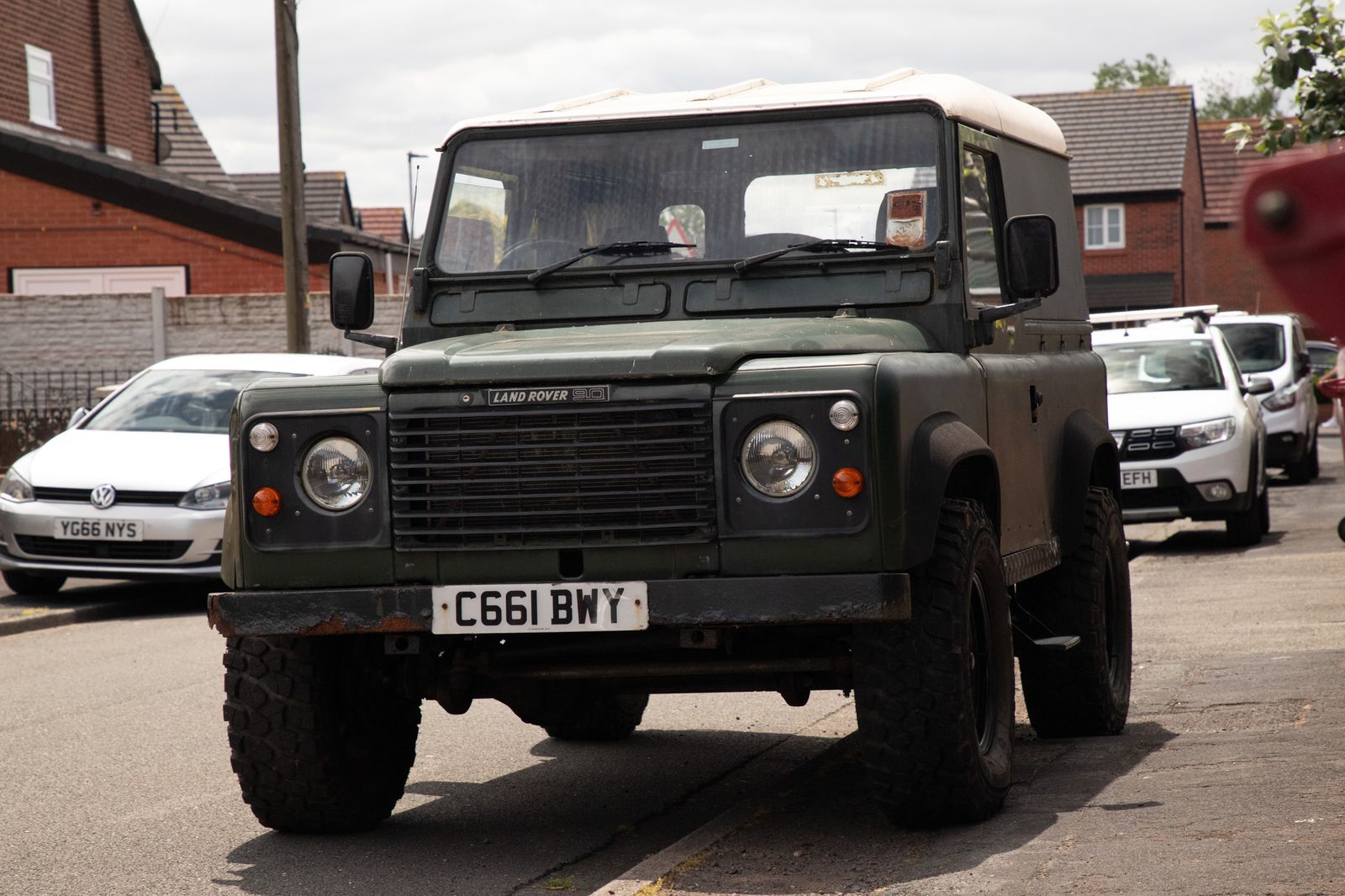
Listing work is a different job from a feature shoot. Nobody is going to frame your dealership photo. What they want is twelve to twenty images per car, in the same order every time, that look like the same photographer shot them — delivered before the car is advertised, which is usually tomorrow.
The constraint isn’t artistry. It’s throughput with consistency, and culling is where the throughput goes to die.
The arithmetic
Say you photograph six cars in a day and shoot forty frames each. That’s 240 images to get down to roughly ninety, arranged in six matching sets, with plates handled and a consistent grade. Do that at a leisurely fifteen seconds per frame and the cull alone is an hour of your evening — every day, forever, on the least creative part of the job.
Scale to a dealership doing twenty cars a week and the cull becomes the actual bottleneck in the business. Not the shooting. The sorting.
Shoot a fixed list
The single biggest culling saving happens before you cull: shoot the same list, in the same order, for every car. When every set has the same skeleton, your cull becomes “pick the best of these four attempts at slot 3” instead of “work out what I’ve got here.”
A workable default for a used car:
| # | Frame | Why it's on the list |
|---|---|---|
| 1 | Front three-quarter | The lead image. Does the most selling. |
| 2 | Side profile | Shows proportion, ride height, wheels. |
| 3 | Rear three-quarter | Balances the lead; shows the other flank. |
| 4 | Straight rear | Badges, exhausts, tailgate condition. |
| 5–6 | Wheels, one per axle | Buyers check kerbing and tyre life. |
| 7–9 | Interior: driver's seat, rear bench, boot | Where trust is won or lost. |
| 10 | Dash with ignition on | Mileage and warning lights, visible. |
| 11 | Engine bay | Expected on anything older or enthusiast. |
| 12 | Any known flaw, shot honestly | Fewer wasted viewings, fewer arguments. |
Plates: decide once, apply consistently
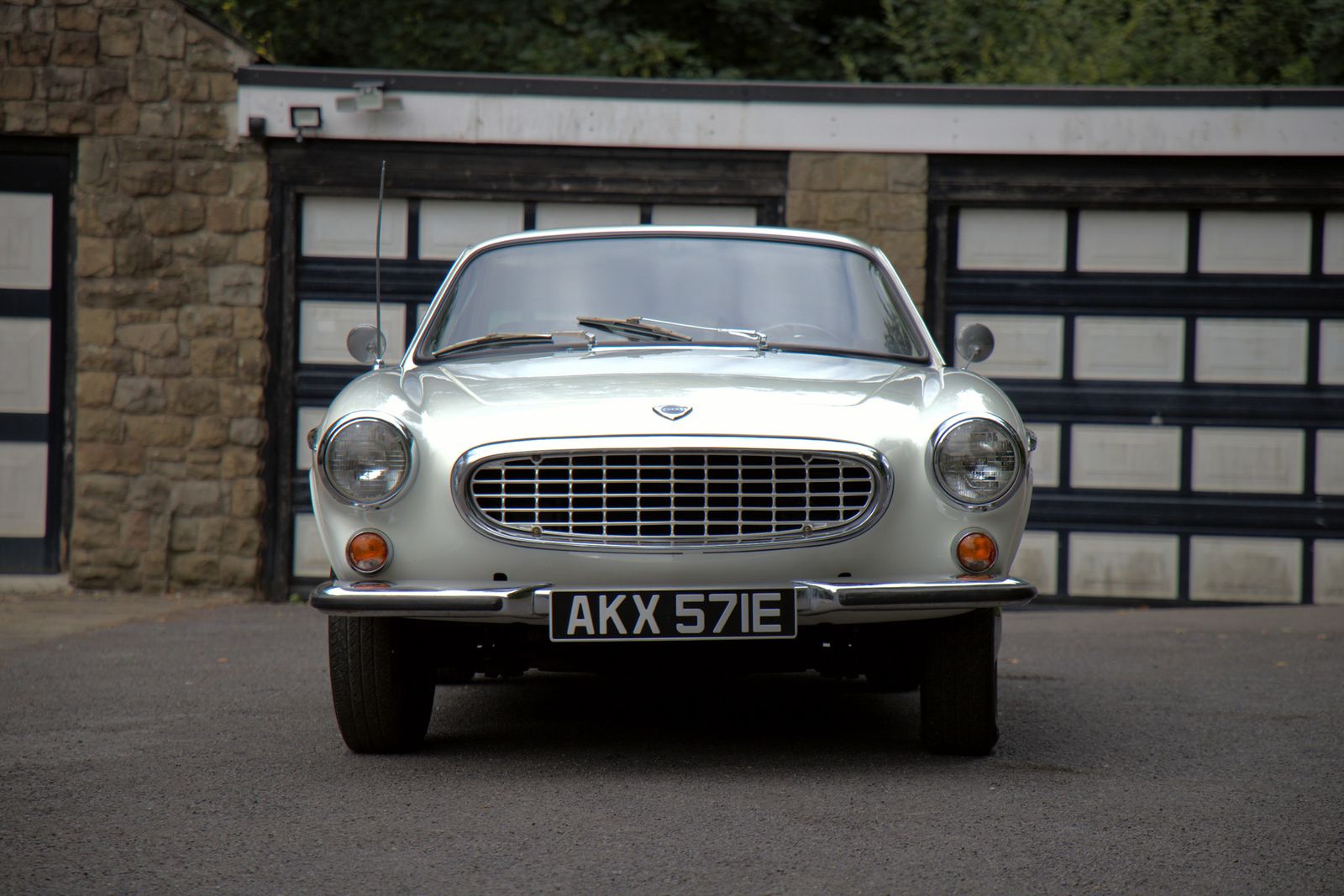
This deserves its own paragraph because it’s handled badly so often. Trade listings frequently show the registration; private sellers usually shouldn’t, and owners of desirable classics very much shouldn’t — a registration is a real-world asset, and a clear photograph of one on a public listing is an invitation.
Pick a policy per client, not per photo, and then make the software carry it out. Blurring twenty plates by hand per car is exactly the sort of repetitive task that gets skipped when you’re tired, and it’s the one with actual consequences for your client.
Consistency starts at the location, not the computer
You cannot cull your way to a consistent set if the frames weren’t shot consistently. Three habits do most of the work:
- One spot, every car. Find the position on the forecourt with the cleanest background and the most even light, and shoot every car from there. Your sets then match by default, and buyers stop noticing the background at all — which is the goal.
- Overcast or shade beats sunshine. Direct sun puts hard-edged reflections and black shadows across bodywork, and it changes character hour by hour, so a morning car and an afternoon car won’t match. A bright overcast sky is a giant softbox and it holds steady all day.
- Same height, same lens, same distance. Mark it if you have to. Shooting every car at the same height means the whole week’s output looks like one photographer, which is exactly what a dealer is buying.
Do that and the cull turns into a lookup rather than a judgement — which is what takes it from an hour to ten minutes.
Culling for consistency instead of quality
Here is the mental shift that makes listing work fast: you are not picking the best photographs. You are filling twelve slots, and the correct choice for each slot is the frame that best matches the neighbouring cars’ frames in that slot.
A slightly less dramatic front three-quarter that matches your other five cars is worth more to a dealer than a spectacular one that doesn’t. Consistency is the product.
Where Vantage fits
Vantage was built around this shape of work: it groups the repeated attempts at each angle so you pick per slot, orders the export so every car’s set lands in the same sequence, detects plates and applies your blur policy per photo (with a thumbnail of each plate so you can override), and applies one grade across the set so six cars shot across a changing afternoon still look like one shoot.
Then it hands the whole thing over as a private gallery link, which is generally easier for a dealer than a folder of zip files.
Vantage is early software. On a listing workflow the risk is small — you review every slot before it goes out, and your originals are never modified. But do check the plate blur on the final set before publishing, every time. That is good practice with any tool, including this one.
Try it on your next shoot
Vantage runs on your own Mac or PC — your originals never leave your machine unless you choose to back them up. Free to start, and it’s in beta, so you’ll be shaping it.
Download Vantage See pricingCommon questions
How many photos should a used-car listing have?
Twelve to twenty is the usual working range: four exteriors, wheels, three or four interiors, dash with mileage, engine bay, and an honest shot of any flaw. More than twenty and buyers stop scrolling; fewer than ten and they assume you're hiding something.
Should number plates be blurred on car listings?
It depends on the client. Trade listings often show them; private sellers and owners of valuable classics generally shouldn't, because a clear plate on a public listing is useful to the wrong people. Agree a policy per client and let software apply it consistently.
What matters more, one great photo or a consistent set?
For listings, the set. Buyers scan a grid, and a set shot from one height with one grade reads as professional even if no single frame is spectacular. Mixed heights and mixed colour read as careless.